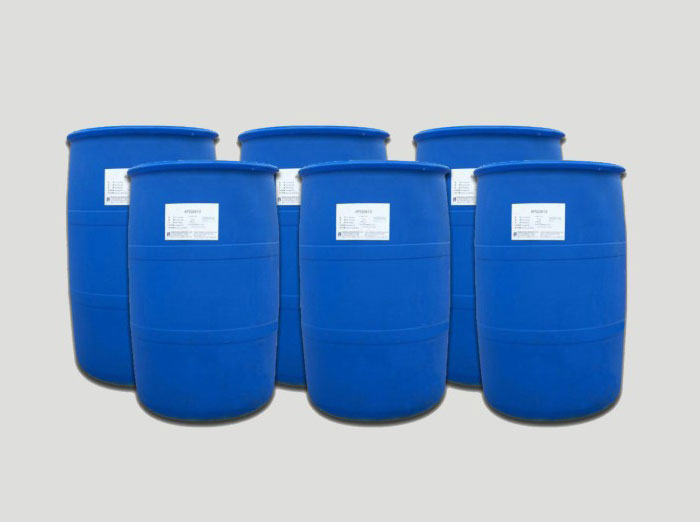
Ι. Χαρακτηριστικά Φθοριωμένων Τασιενεργών
Οι φθοριούχες επιφανειοδραστικές ουσίες (συντομογραφία FS) είναι ένας ειδικός τύπος επιφανειοδραστικών που έχει σταδιακά εμπορευματοποιηθεί τα τελευταία χρόνια. Σε αντίθεση με τα συνηθισμένα τασιενεργά, τα φθοριωμένα τασιενεργά χρησιμοποιούν κυρίως ομάδες υπερφθοροαλκυλίου ή υπερφθοροβινυλίου ή μερικώς φθοριωμένες αλκυλικές ομάδες ως το υδρόφοβο μέρος του επιφανειοδραστικού και στη συνέχεια εισάγουν κατάλληλες συνδετικές ομάδες και υδρόφιλες ομάδες όπως απαιτείται. Ανάλογα με τη φύση της υδρόφιλης ομάδας, μπορούν να παρασκευαστούν διαφορετικές σειρές φθοριούχων επιφανειοδραστικών προϊόντων όπως ανιονικοί, κατιονικοί, μη ιονικοί και αμφοτερικοί τύποι.
Λόγω της ειδικής δομής των φθοριωμένων επιφανειοδραστικών ουσιών, τα άτομα φθορίου αντικαθιστούν τα άτομα υδρογόνου στην υδρόφοβη ομάδα των συνηθισμένων τασιενεργών, μετατρέποντας τη δομή των δεσμών C-H σε δεσμούς C-F. Ως εκ τούτου, παρουσιάζει μερικές εξαιρετικές ιδιότητες μοναδικές για τους φθοράνθρακες και έχει τόσο υδρόφοβα όσο και ελαιοφοβικά χαρακτηριστικά. Η υψηλή επιφανειακή δραστηριότητα των φθοριωμένων επιφανειοδραστικών ουσιών εξαρτάται από την εξαιρετικά ισχυρή υδροφοβικότητα των μοριακών τους δεσμών άνθρακα-φθορίου και την κατώτερη εσωτερική μοριακή συνοχή. Μπορεί να μειώσει την επιφανειακή τάση του νερού σε πολύ χαμηλή τιμή, ενώ η συγκέντρωση που χρησιμοποιείται είναι πολύ μικρή. Γενικά, η συγκέντρωση εφαρμογής επιφανειοδραστικών αλυσίδων άνθρακα-υδρογόνου πρέπει να είναι μεταξύ 0,1% και 1%. Αυτή τη στιγμή, η επιφανειακή τάση του υδατικού διαλύματος μπορεί να μειωθεί μόνο στα 30 έως 35 dyn/cm (1dyn = 10-3N/m). Όταν η ποσότητα του επιφανειοδραστικού δεσμού άνθρακα-φθορίου είναι μεταξύ 0,005% και 0,1%, η επιφανειακή τάση του υδατικού διαλύματος μπορεί να μειωθεί κάτω από 20dyn/cm. Επιπλέον, τα φθοριούχα επιφανειοδραστικά δείχνουν επίσης καλή επιφανειακή δραστηριότητα σε οργανικούς διαλύτες, ειδικά μετά την εισαγωγή του Ν-υποκατεστημένου υπερφθοροκταναμιδίου, το οποίο μπορεί να μειώσει την επιφανειακή τάση των διαλυτών υδρογονανθράκων ακετυλενίου κατά 5 έως 15 dyn/cm. Η εξαιρετική θερμική σταθερότητα και η χημική αδράνεια που παρουσιάζουν τα φθοριωμένα τασιενεργά οφείλονται κυρίως στην αντικατάσταση της υδρόφοβης ομάδας της αλυσίδας άνθρακα-υδρογόνου με την υδρόφοβη ομάδα της αλυσίδας φθοράνθρακα. Δεδομένου ότι η ενέργεια του δεσμού του δεσμού C-F (116 kcal/mol) είναι μεγαλύτερη από αυτή του δεσμού C-H (99,5 kcal/mol), ο δεσμός C-F είναι πιο σταθερός από τον δεσμό C-H και δεν είναι εύκολο να σπάσει. Επίσης, επειδή το άτομο φθορίου είναι μεγαλύτερο από το άτομο υδρογόνου, ο δεσμός C-C προστατεύεται από την προστατευτική επίδραση του ατόμου φθορίου, έτσι ώστε να σταθεροποιείται και η αρχικά όχι πολύ υψηλή ενέργεια δεσμού του δεσμού C-C. Αυτό κάνει το φθοριούχο επιφανειοδραστικό να έχει χημική σταθερότητα και θερμική σταθερότητα που δεν έχει το τασιενεργό άνθρακα-υδρογόνου. Για παράδειγμα: Η θερμοκρασία χρήσης του C9F17OC6H4SO3K μπορεί να είναι περίπου 300°C, ενώ το ενδιάμεσο C9H17OC6H5 υποβάλλεται σε επεξεργασία στους 80°C σε 50% θειικό οξύ ή 25% υδατικό διάλυμα υδροξειδίου του νατρίου για 48 ώρες χωρίς αποσύνθεση.
Μελέτες έχουν δείξει ότι η υψηλή επιφανειακή δραστηριότητα των φθοριούχων τασιενεργών οφείλεται στις μικρές δυνάμεις van der Waals μεταξύ των μορίων τους. Η τάση που απαιτείται για να μετακινηθούν τα μόρια τασιενεργού από το υδατικό διάλυμα στην επιφάνεια του διαλύματος είναι μικρή, με αποτέλεσμα μια μεγάλη συσσώρευση μορίων επιφανειοδραστικού στην επιφάνεια του διαλύματος, σχηματίζοντας ισχυρή επιφανειακή προσρόφηση. Αυτές οι ενώσεις δεν έχουν μόνο μικρή συγγένεια με το νερό, αλλά έχουν και μικρή συγγένεια με τους υδρογονάνθρακες. Επομένως, σχηματίζουν τόσο υδρόφοβα όσο και ελαιοφοβικά χαρακτηριστικά, αλλά η επίδρασή τους στη διεπιφανειακή τάση της διεπαφής λαδιού/νερού δεν είναι ισχυρή. Εάν χρησιμοποιούνται φθοριούχα τασιενεργά σε συνδυασμό με υδρογονανθρακικά τασιενεργά, τα φθοριούχα τασιενεργά μπορούν να προσροφηθούν επιλεκτικά στην επιφάνεια του νερού για να μειωθεί η επιφανειακή τάση. ενώ τα επιφανειοδραστικά υδρογονάνθρακα μπορούν να προσροφηθούν στη διεπιφάνεια λαδιού/νερού για τη μείωση της διεπιφανειακής τάσης, η οποία αναπόφευκτα θα βελτιώσει τη διαβρεξιμότητα του υδατικού διαλύματος.
II. Εφαρμογή Φθοριωμένων Τασιενεργών
Λόγω των χαρακτηριστικών των φθοριούχων επιφανειοδραστικών ουσιών, έχουν ισχυρή εφαρμογή σε ορισμένους τομείς, ειδικά στον βιομηχανικό τομέα. Οι κύριες εφαρμογές του είναι οι εξής:
(1) Δυνατότητα διασποράς
Τα φθοριωμένα επιφανειοδραστικά μπορούν να χρησιμοποιηθούν ως διασκορπιστικά κατά τον πολυμερισμό διασποράς διαφόρων φθοριορητινών. Τα φθοριούχα επιφανειοδραστικά χρησιμοποιούνται ως διασκορπιστικά στον πολυμερισμό διασποράς γαλακτώματος φθοριωμένων μονομερών όπως το τετραφθοροαιθυλένιο, το τριφθοροχλωροαιθυλένιο και το φθοριούχο βινυλιδένιο. Σε πρόσθετα ηλεκτρολυτικής επιμετάλλωσης, καθαριστικά και άλλα μέσα επεξεργασίας επιφανειών, μπορεί να χρησιμοποιηθεί η υψηλή ικανότητα διασποράς τους.
(2) Αφυδάτωση, παράγοντας απελευθέρωσης
Τα φθοριούχα επιφανειοδραστικά έχουν καλές ιδιότητες αφυδάτωσης, κάτι που είναι πολύ χρήσιμο για την επεξεργασία επιφανειακής αφυδάτωσης ορισμένων τύπων διακοσμητικών επιμεταλλώσεων. Τα φθοριούχα επιφανειοδραστικά μπορούν επίσης να χρησιμοποιηθούν ως μέσα απελευθέρωσης, τα οποία όχι μόνο έχουν καλές ιδιότητες απελευθέρωσης για θερμοπλαστικά πολυμερή, αλλά και εξαιρετικές ιδιότητες απελευθέρωσης για θερμοσκληρυνόμενα πολυμερή και ελαστομερή από καουτσούκ σιλικόνης, και δεν υπάρχει ρύπανση στο τεμάχιο εργασίας μετά την απελευθέρωση, το οποίο μπορεί να υποβληθεί απευθείας σε δευτερογενή επεξεργασία (όπως εκτύπωση, χρήση μετά από μία χρήση και πολλές φορές). Ο παράγοντας απελευθέρωσης που παρασκευάζεται από φθοριούχα επιφανειοδραστικά έχει σχηματίσει σταδιακά ένα σειριακό προϊόν, το οποίο περιλαμβάνει τύπους με βάση διαλύτες και με βάση το νερό. Μπορεί να χρησιμοποιηθεί όχι μόνο στη βιομηχανία επεξεργασίας ελαστομερών οργανικών πολυμερών, αλλά και στη βιομηχανία επεξεργασίας άκαμπτων σωμάτων (όπως χαλκός, έλξη χαλύβδινων σωλήνων, συμπίεση, επεξεργασία σφράγισης εξαρτημάτων χύτευσης κ.λπ.). Επί του παρόντος, οι φθοριούχοι (υψηλής απόδοσης) παράγοντες απελευθέρωσης έχουν επαινεθεί ιδιαίτερα από τους χρήστες στις βιομηχανίες πλαστικών, καουτσούκ και άλλων βιομηχανιών επεξεργασίας.
(3) Αντιστατικός παράγοντας
Ο αντιστατικός παράγοντας που παρασκευάζεται από φθοριούχα επιφανειοδραστικά συνδυάζει λειτουργίες καθαρισμού και προστασίας από τη σκόνη. Μετά από δοκιμή από αρμόδια τμήματα: Μετά την επεξεργασία της επιφάνειας της βάσης φύλλου PVC, η αντίσταση της επιφάνειας πέφτει από τα αρχικά 1012Ω στα 108Ω. Αυτό μειώνει πολύ το φαινόμενο ότι η επιφάνεια της βάσης του φύλλου είναι εύκολο να προσελκύει σκόνη λόγω στατικού ηλεκτρισμού. Η χρήση τέτοιων αντιστατικών παραγόντων για τον καθαρισμό της επιφάνειας του τυμπάνου και της μαγνητικής κεφαλής στη συσκευή εγγραφής βίντεο έχει πολύ καλύτερο αποτέλεσμα από τα γενικά καθαριστικά ή τις ταινίες καθαρισμού και μπορεί να παρατείνει τη διάρκεια ζωής του τυμπάνου και της μαγνητικής κεφαλής. Μετά τον καθαρισμό, η ένταση ήχου του φιλμ ή της πυκνής εγγραφής μπορεί να αυξηθεί κατά 3dB κατά την αναπαραγωγή. Χρησιμοποιώντας τέτοιους αντιστατικούς παράγοντες, οικιακές συσκευές, πλαστικά προϊόντα, οθόνες τηλεόρασης και άλλα έπιπλα υψηλής ποιότητας και όργανα ακριβείας μπορούν επίσης να καθαριστούν και να είναι ανθεκτικά στη σκόνη χωρίς παρενέργειες.
(4) Ισοπεδωτικός παράγοντας
Μετά την προσθήκη μικρής ποσότητας επιφανειοδραστικού σε προϊόντα όπως χρωστικές και επικαλύψεις, μπορεί να αποτρέψει τη στερεοποίηση, να βελτιώσει τη διασπορά. Η προσθήκη του σε χρώματα και μελάνια μπορεί να μειώσει την επιφανειακή τάση τους, να βελτιώσει τη διαβρεξιμότητα, να αποτρέψει το σχηματισμό φυσαλίδων και να κάνει το χρώμα πιο ομοιόμορφο.
(5) Άλλες εφαρμογές
Η προσθήκη φθοριούχων τασιενεργών στο κερί δαπέδου μπορεί να βελτιώσει τη γυαλάδα του δαπέδου, να αυξήσει την αντοχή στη φθορά και τις αντιρρυπαντικές του ιδιότητες. Τα φθοριούχα επιφανειοδραστικά μπορούν επίσης να χρησιμοποιηθούν για βοηθήματα ανάκτησης λαδιού, συλλέκτες λαδιού στην επιφάνεια της θάλασσας, αναστολείς διάβρωσης μετάλλων και παράγοντες επεξεργασίας λάμψης μετάλλων.

 English
 Español
 Portugues
 Pусский
 Français
 Deutsch
 日本語
日本語 한국어
한국어 العربية
 Italiano
 Nederlands
 Polski
 ไทย
ไทย Tiếng Việt
 українська
 中文简体
中文简体





 Τηλέφωνο
Σχόλιο
(0)